Évènements / Conférences / Manifestations
Conférences
International open study tour about river restoration
WHEN
28th – 30th September 2026
WHERE
Sarlat-la-Canéda
24200, Dordogne
France
Restoration measures to re‑open river processes and habitat diversity
Purpose of the study tour
The study tour offers river restoration practitioners a direct insight into a large-scale, multi-site river restoration project. The goal of the tour is to communicate the main insights, challenges, and solutions found in the Dordogne valley, and facilitate an exchange in the knowledge community.
For whom ?
Anyone interested in, passionate about, or working in river restoration.
Capacity
We have space for 40 participants, so register soon through the link below!
Duration
~17h of programme (+3h canoeing, optional).
The learning goals
After finishing the course, participants will have learned:
- What was done in the Dordogne valley and why: the story of how a large river restoration programme started, grew, and was shaped by policy and earlier projects.
- How to connect problems to measures: how sediment-related pressures translate into concrete restoration interventions (and what each intervention is meant to achieve).
- What “success” can look like in practice: the kinds of ecological and socio-economic outcomes you can realistically expect, and what you can take from Dordogne for other rivers.
- What it takes to keep restoration going long-term: the governance side – stakeholders, social acceptance, policy fit, and land acquisition realities.
- Who is working on similar challenges: increased awareness of other European projects and new professional contacts.
What this tour is NOT designed to teach:
- Full technical design skills to engineer or dimension measures (e.g., detailed calculations, design standards, permitting-ready plans).
- A complete monitoring training (e.g., how to set up and run monitoring programmes, methods, statistics, QA/QC).
- A “copy-paste” recipe for applying the Dordogne approach everywhere; participants will understand principles and trade-offs, but site-specific analysis remains necessary.
- Certification-level competence proving professional qualification.
This is an insight and exchange-focused study tour rather than an accredited training.
Programme
A three-day field-based to learn about the LIFE Dordogne River Project’s actions carried out to restore the sedimental natural processes of the river.
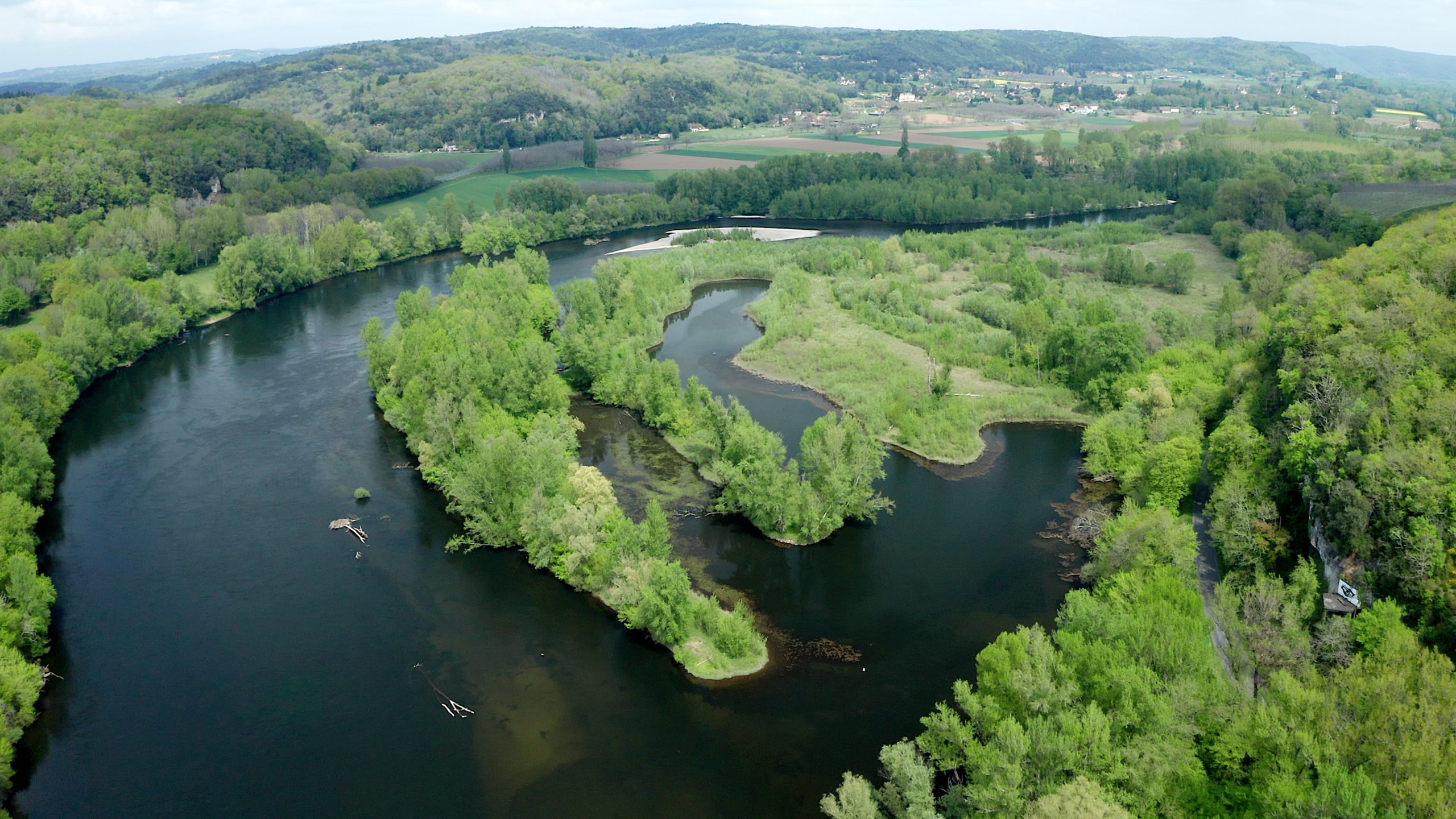
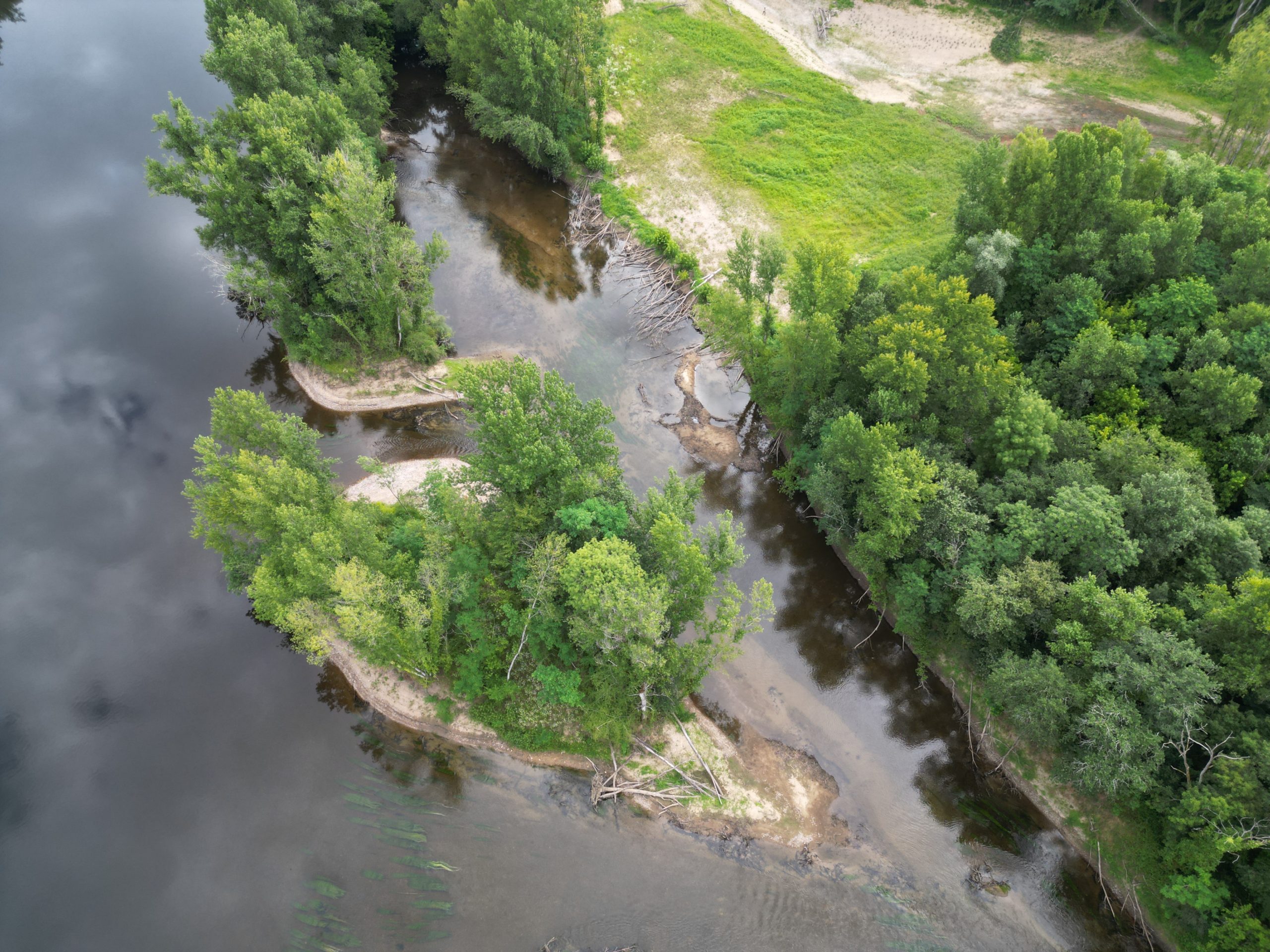
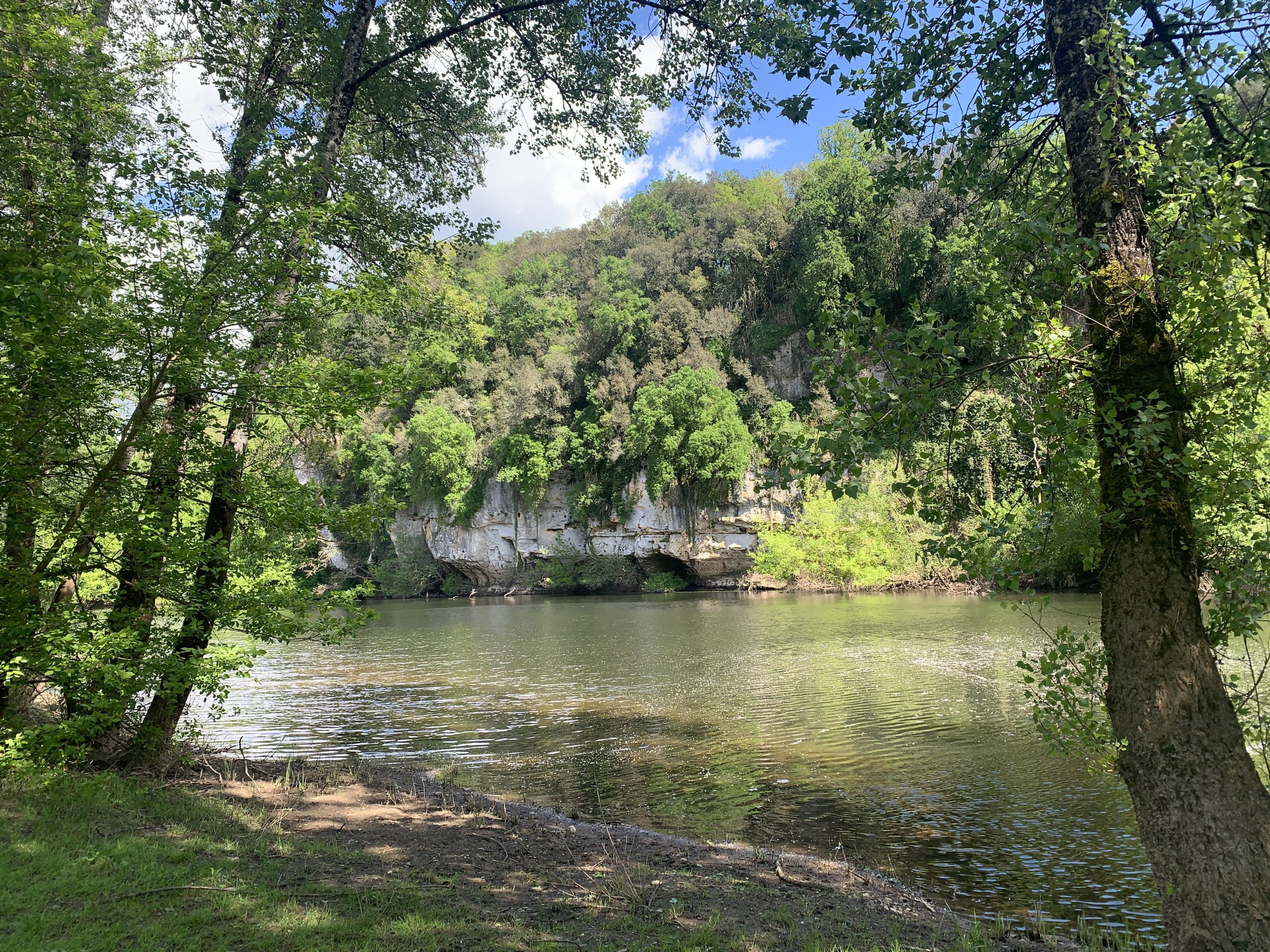
Former gravel pit sites after being ecologically restored. Photos : #1. Veyrignac in 2022 | #2. & #3. Gaule in 2024
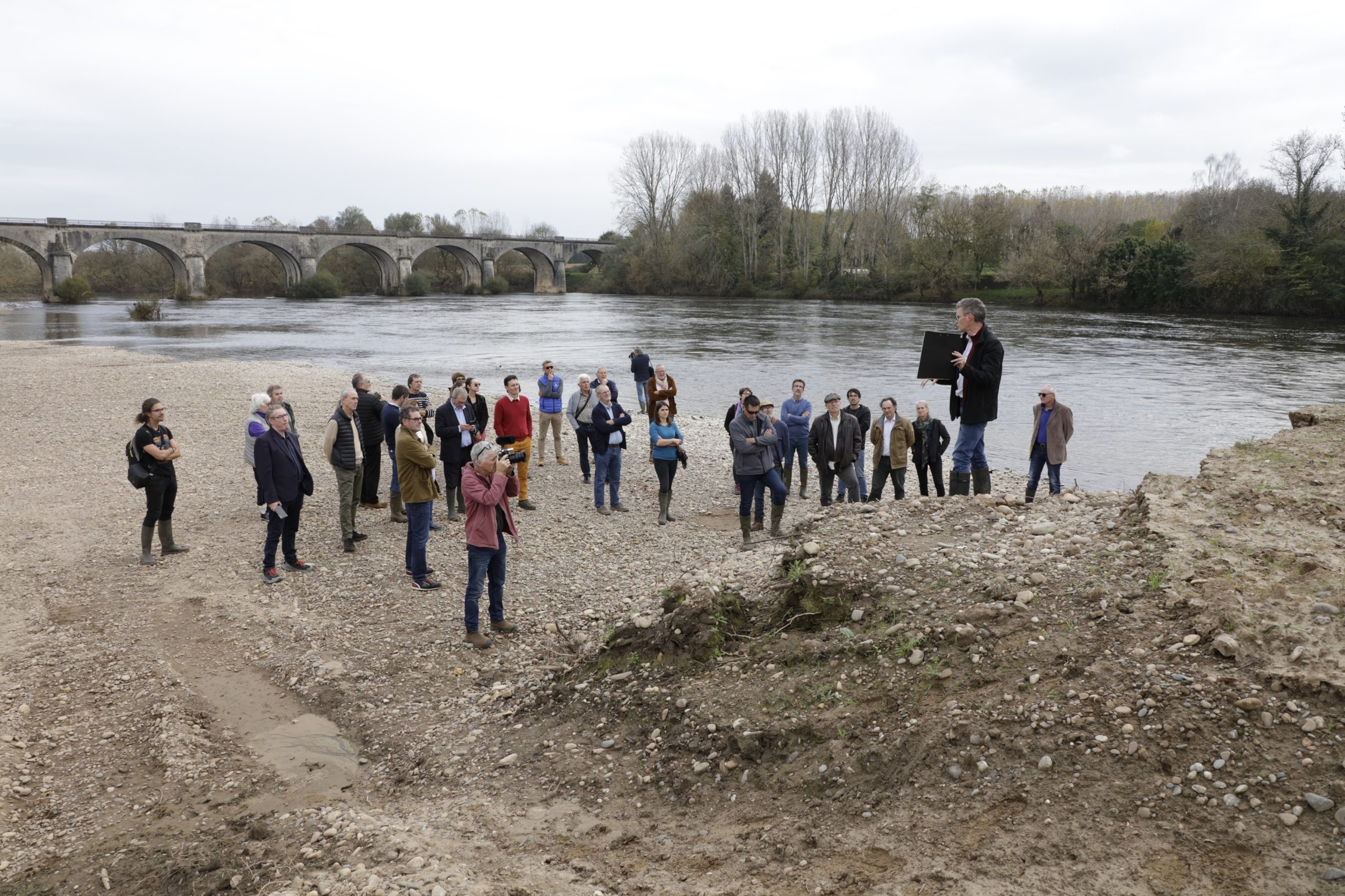
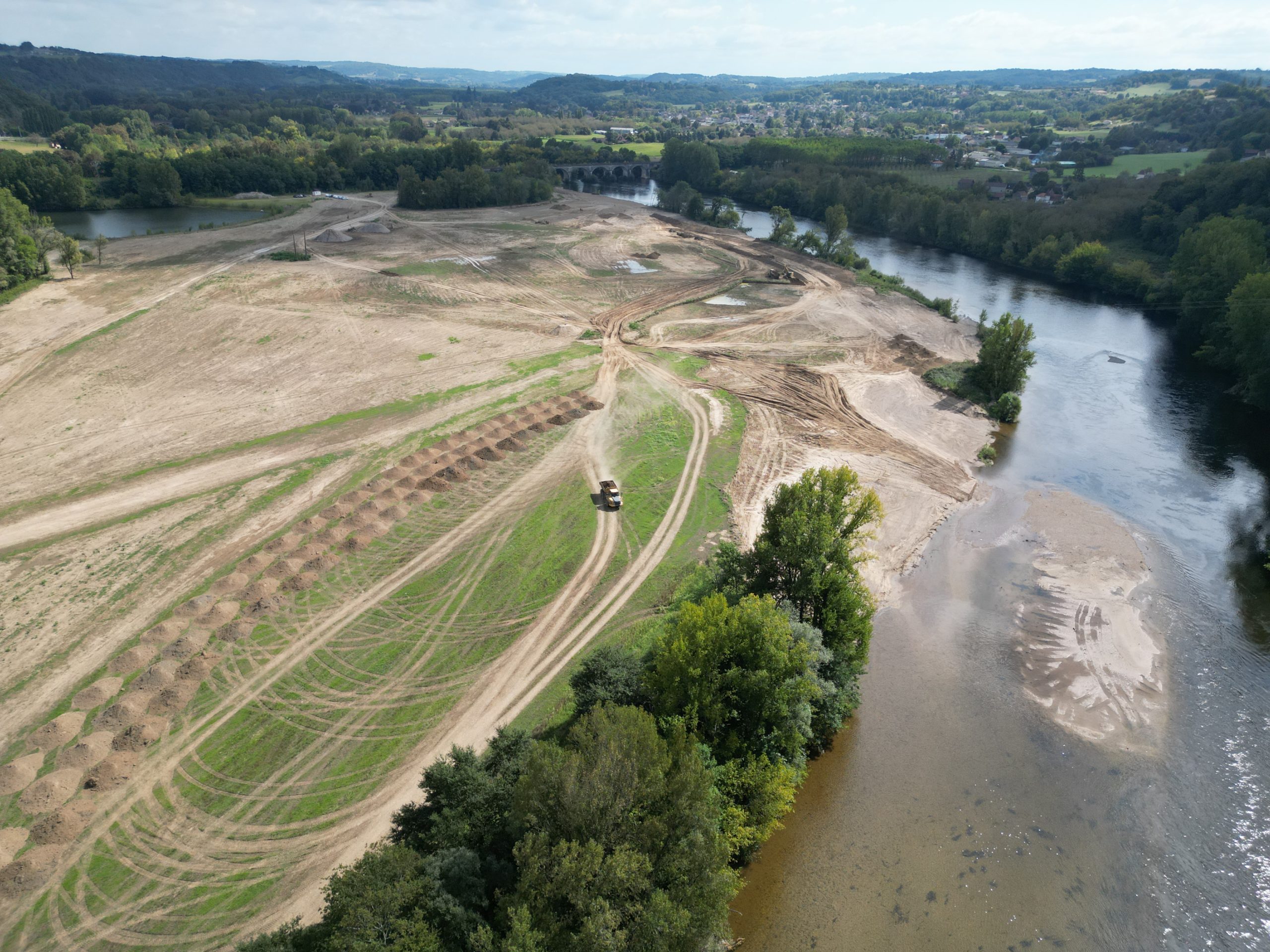
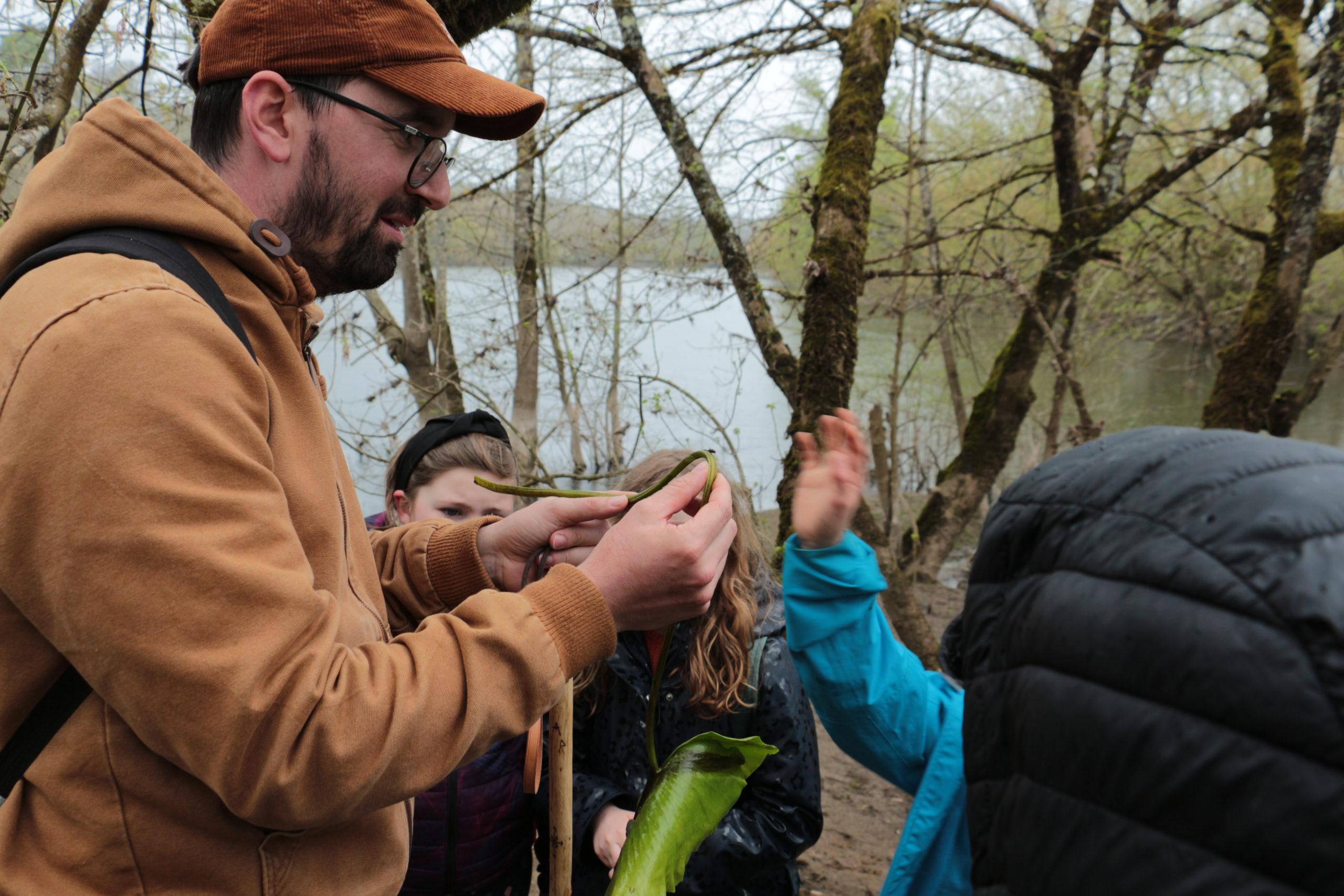
Former gravel pit of Maison-Neuve in Saint-Chamassy. Photos : #1. Guided tour of the site for a Unesco Biosphere Reserve event | #2. The site during the ecological works | #3. Pedagogical activities with children
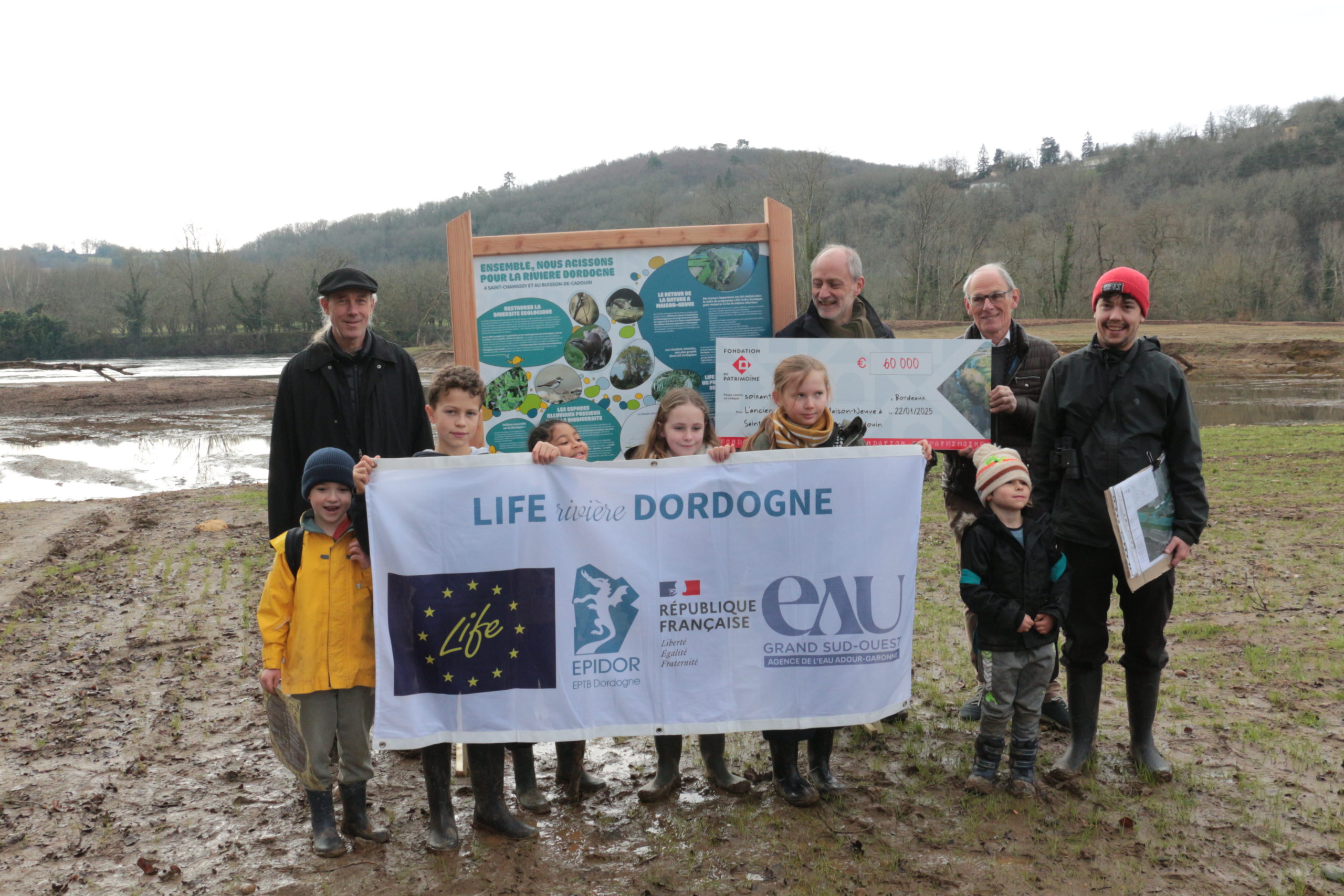
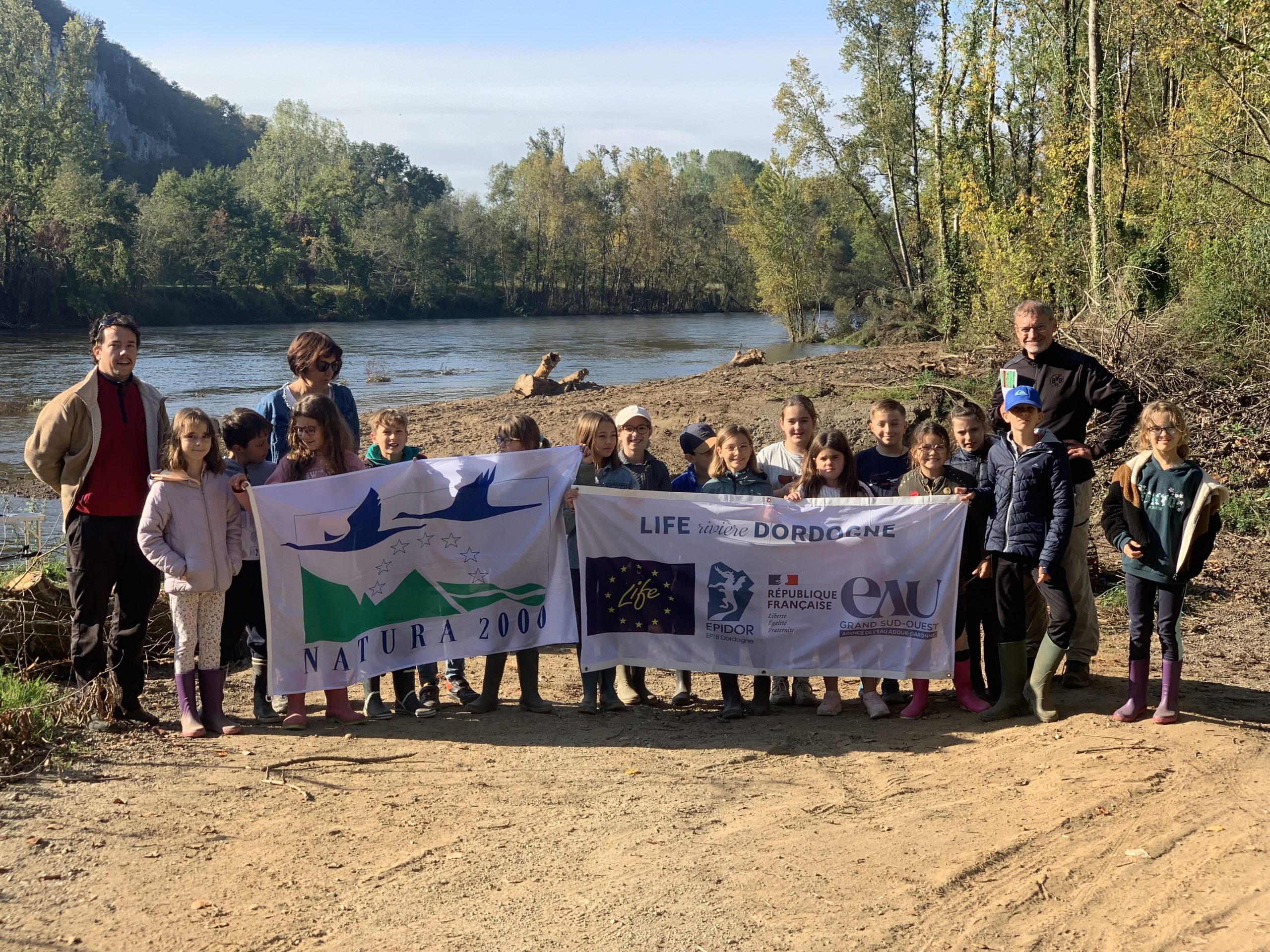
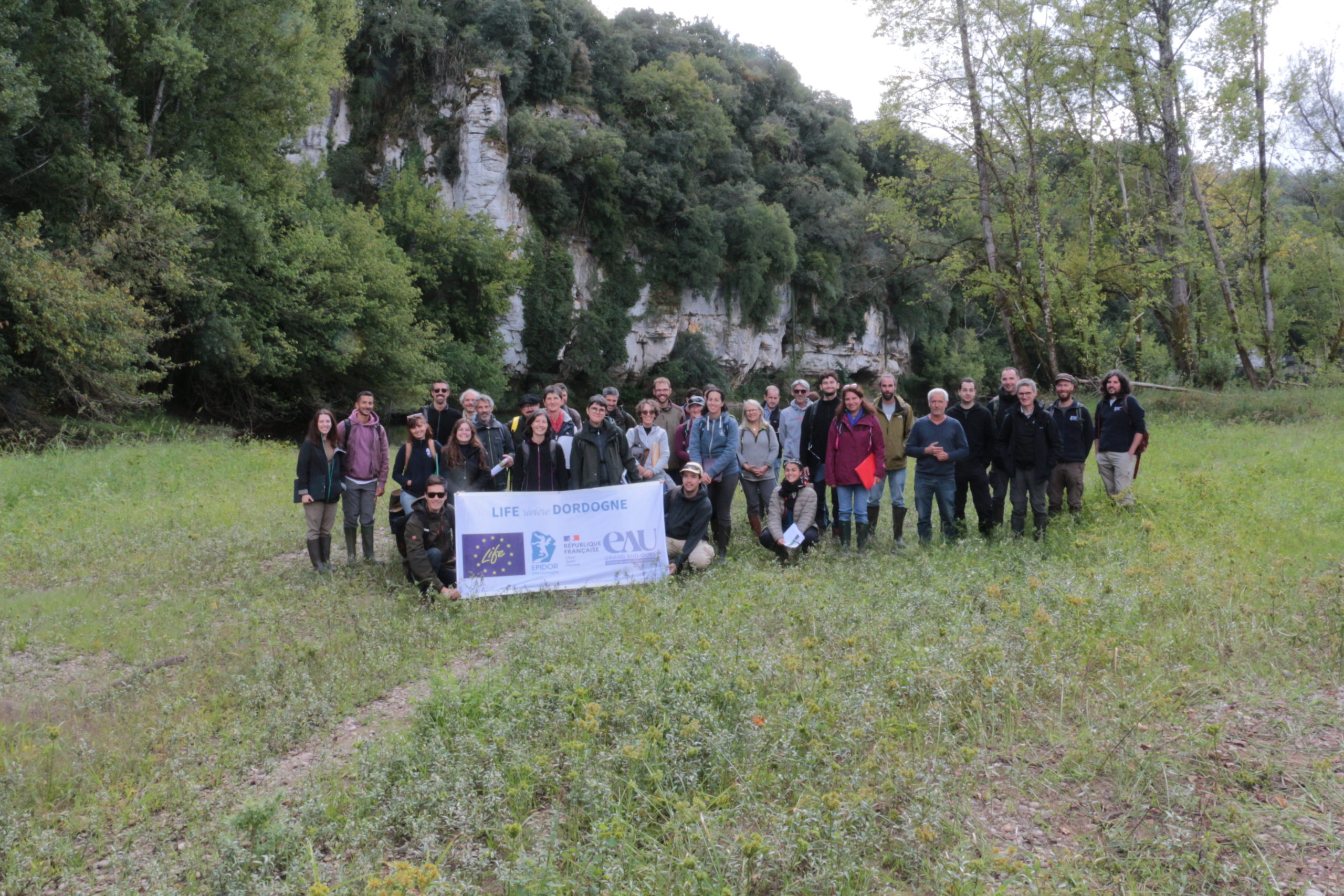
The sites restored within the framework of the LIFE Dordogne River project are used as experimental sites for pedagogical programmes with schools, training sessions for river managers or scientists. Photos : #1. A pedagogical sign has been installed on the former gravel pit of Maison-Neuve | #2. The children from a local primary school discover the oxbows restored in Pontou | #3. Participants of the technical training session about riparian vegetation organised on the former gravel pit of Gaule
Logistics
Registration costs
There is a small participation fee of 50€, to be paid after successful registration.
What we take care of
- Bus transport to and from activities during the study tour.
- Dinner on the 28th and 29th of September.
- Lunch on the 28th, 29th, and 30th of September.
What you will have to organise for yourself and on your own costs
- Your travels for your timely arrival to and departure from Sarlat-la-Canéda for the study tour.
- Your accommodation in Sarlat-la-Canéda.
- Your breakfasts.
Practical information
Contact course communication and registration
The course organisation is a cooperation between the LIFE Dordogne Project and the European Centre for River Restoration.
Charlotte Buergers : c.buergers@posteo.de | +31.6.4376.3791
Bart Fokkens : secretariat@ecrr.org | +31.6.5121.6467
Contact LIFE Dordogne Project and course organisation
life-dordogne@eptb-dordogne.fr
Baptiste Potet : b.potet@eptb-dordogne.fr | +33.7.88.00.28.82
Justine Quetier : j.quetier@eptb-dordogne.fr | +33.6.80.30.94.33
Olivier Guerri : o.guerri@eptb-dordogne.fr | +33.6.85.57.65.38
How to come
Find useful information about the various ways to come to Sarlat on the tourist office’s website : https://en.sarlat-tourisme.com/how-to-get-to-sarlat/
Where to stay
Adresses of various types of accomodation can be found on the Sarlat tourist office’s website : https://en.sarlat-tourisme.com/i-prepare-my-stay/accommodation/
What to do in the surrounding
Whether you like historical heritage, good food, nature and outdoor activities, there are many places near Sarlat to visit or activities to enjoy : https://en.sarlat-tourisme.com/
News from the LIFE Dordogne River project
A European Delegation from the eastern Europe visits the Dordogne Basin
In June 2026, the LIFE Dordogne River programme welcomed a European delegation of around forty participants who came to visit several restored sites in the Dordogne Valley. This study visit formed part of an exchange between two UNESCO Biosphere Reserves involved in European LIFE projects dedicated to the restoration of freshwater ecosystems.
First Anniversary for the Maison Neuve ATE
On Tuesday, June 30 2026, the students of the schools of Saint-Chamassy and Alles-sur-Dordogne gathered to celebrate the conclusion of the very first year of the Maison Neuve Educational Terrestrial Area (ATE), established on the site of the local former gravel pit.
This international open study tour on river restoration is organized by